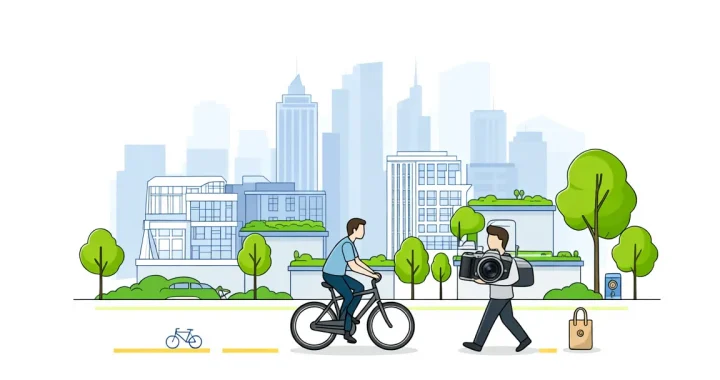
Sustainable Travel in Cities: A Photographer’s Guide
Start by mapping your shoots around public transit and walking routes instead of rideshares. This cuts emissions and often puts you in better spots for street scenes during golden hour.
Pick cities and routes that keep your footprint small
Focus on places with strong train and tram networks. In Amsterdam, the whole city stays reachable by bike or ferry, so you skip taxis and still hit canal views at dawn before crowds arrive.
Book one central room or hostel near a metro stop. Then plot daily walks that connect three or four locations instead of backtracking across town. This saves time and fuel while giving you repeated chances at the same street at different light.
- Check train schedules first. Overnight or early connections between cities replace short flights on most European routes.
- Carry only what fits in a shoulder bag. Extra lenses stay home unless you have a confirmed need that day.
- Use apps that show real-time bus and bike-share availability so you adjust plans on the fly.
Work on location without creating extra waste
Shoot during off-peak hours when buses run half empty. You avoid adding to rush-hour load and often find cleaner backgrounds once delivery trucks clear out.
Follow this short sequence each morning:
- Charge batteries overnight at the lodging instead of carrying spares you may not need.
- Delete files on the spot so you finish the day with fewer cards to transport.
- Leave no props or markers behind. Tape or chalk on sidewalks gets removed before you move to the next corner.
When you need a higher vantage, ask permission at a café or office with a rooftop terrace rather than hiring a drone. Local staff usually allow a quick session in exchange for a coffee purchase.
| Common choice | Lower-impact swap |
|---|---|
| Rent a car for day trips | Day pass on regional rail plus one shared bike |
| Print test shots on site | Review on camera screen and cull before leaving |
| Buy single-use water bottles | Refill at public fountains marked on city maps |
Share files with locals who appear in your frames. A quick email with the photo often turns into permission for a return visit or an introduction to a new angle you missed.