5 Hidden Urban Green Spaces You Need to Visit This Season

5 Hidden Urban Green Spaces You Need to Visit This Season

Start by pulling up a basic city map app and noting which spots sit within a ten minute walk of a bus or train stop. That single check keeps the whole trip simple and low cost.

Prep Before You Go

Pack water, a light layer, and your transit card. Most of these places have no facilities, so plan to stop for coffee or a restroom on the way back.

  • Check opening hours on the city parks site the night before.
  • Wear shoes you do not mind getting a little dusty.
  • Bring a small trash bag if you plan to eat there.
  • Tell one friend where you are headed and when you expect to finish.

Afternoon Stops Near Transit Hubs

Behind the main library on 4th Street sits a small fenced garden that most commuters never notice. Two benches face a row of raised beds locals tend on weekends. You can sit for twenty minutes and hear almost no traffic.

The second spot is the old rail spur lot two blocks from the south station. A neighborhood group cleared the rubble last year and planted native grasses. In the late afternoon the light hits the seed heads and the place feels bigger than it is.

Paths You Can Reach on Foot

Follow the service road beside the old canal until you reach a narrow gate that stays unlocked during daylight. The path runs between warehouses and the water for about six blocks. Few people use it after 10 a.m.

The fourth place is the rear section of the historic churchyard on Maple Avenue. Volunteers stopped mowing a back corner two seasons ago. Wildflowers now grow among the older stones. Visit on a weekday morning when the front gate is open for deliveries.

One Spot for a Sunset Break

The fifth space is the public roof deck on the old printing plant at Harbor and 9th. Take the freight elevator to the sixth floor and step out onto the gravel surface planted with sedum. The west view opens over the river and the light lasts until the building staff closes the door at dusk.

Spot Nearest transit Best time
Library garden 4th Street stop 1 to 4 p.m.
Rail spur lot South station exit B 3 to 5 p.m.
Canal path Harbor bus 12 10 a.m. to 2 p.m.
Churchyard corner Maple Avenue walk 8 to 11 a.m.
Roof deck 9th Street ferry 5 to 7 p.m.

The Best Time of Day for City Photography: Golden Hour vs. Blue Hour

The Best Time of Day for City Photography: Golden Hour vs. Blue Hour

Golden hour and blue hour both deliver strong results for city photography, but they change the mood of your shots in clear ways. Golden hour gives you warm side light and long shadows. Blue hour gives you even cool light with glowing windows and street lamps. Pick based on the look you want before you head out.

Golden Hour in Practice

Golden hour starts about 30 minutes after sunrise and ends roughly an hour before sunset. In summer that window can feel short in places like New York, so check exact times for your date.

  • Side light hits building edges and creates depth on brick or glass.
  • Long shadows stretch across empty plazas early in the morning.
  • Warm tones make older stone streets in Boston or Edinburgh look richer without extra filters.

Try the High Line at 6:30 a.m. in July. The east-facing benches catch direct light while the Hudson stays in shade.

Blue Hour in Practice

Blue hour runs from about 20 minutes after sunset until the sky turns fully dark, usually 30 to 40 minutes. Streetlights and office windows turn on, giving you balanced exposure between sky and city.

  • Cool light makes neon signs and traffic trails stand out against the remaining sky glow.
  • Reflections on wet pavement after rain become stronger in London or Chicago.
  • Even light reduces harsh contrast on modern towers.

Walk the waterfront in Vancouver right after sunset. The sky stays deep blue while the Canada Place sails light up.

Planning Your Shoot

Factor Golden Hour Blue Hour
Light direction Low and directional Soft and even
Color cast Warm oranges Cool blues
Best subjects Architecture details, shadows Light trails, reflections
Tripod needed Sometimes Usually
  1. Check sunset or sunrise time for your city two days ahead.
  2. Arrive 15 minutes early to set up while light shifts.
  3. Shoot in raw so you can adjust white balance later if the color feels off.
  4. Bracket exposures when windows and sky differ too much.

How Cities Are Redesigning Public Spaces for Community Connection

How Cities Are Redesigning Public Spaces for Community Connection

Cities have started turning leftover pavement and empty lots into places where people stop and talk. The focus stays on simple setups that fit daily routines rather than big monuments.

Pick spots that already have people walking by

Look for corners near bus stops, school routes, or small shops. These places already draw foot traffic, so new seating or shade brings quick use.

  • San Francisco added parklets in front of cafes on busy streets. Drivers park elsewhere and neighbors sit with coffee.
  • Detroit turned vacant lots next to corner stores into pocket gardens. Residents planted vegetables and swapped extras on weekends.

Add features that keep people around longer

Fixed benches, movable chairs, and basic lighting work better than fancy designs. Test one change at a time and watch what happens over a few weeks.

Feature Real example Effect seen
Low movable chairs Brooklyn plaza outside library Groups formed circles and stayed past sunset
Simple game tables Portland sidewalk chess boards Regular players returned same days each week
Overhead string lights Austin alley market Families ate dinner outside on weekdays

Run light programs that build habits

  1. Start with one weekly hour, like story time or a tool-share table.
  2. Ask two or three nearby residents to take turns leading it.
  3. Track counts of people who linger instead of just passing through.
  4. Adjust based on what draws the same faces back.

Portland ran a Friday evening bike-repair pop-up in a closed lane. Mechanics volunteered and neighbors brought their own bikes, which created repeat visits without extra budget.

The Evolution of Graffiti: From Vandalism to Visual Culture

The Evolution of Graffiti: From Vandalism to Visual Culture

Graffiti moved from hurried tags on subway cars to pieces that hang in museums. You see the change in city walls, ads, and gallery shows. The shift happened through specific crews, laws, and new tools rather than any single moment.

New York subway years

In the early 1970s, writers like TAKI 183 covered train cars with marker tags. The goal was to get seen across boroughs before the train got cleaned. Paint stayed cheap and cans fit in backpacks.

  • Markers for quick hits on station walls
  • Thick caps for fat lines on the sides of cars
  • Whole-car pieces that ran for weeks until buffed

Police and the MTA fought back with fenced yards and new cleaning chemicals. Writers adapted by painting faster and hiding work in tunnels.

Street to studio shift

By the 1980s some writers sold canvases. Keith Haring turned subway drawings into gallery shows. Jean-Michel Basquiat moved from SAMO tags to SoHo exhibitions. Galleries paid cash that walls never did.

Today you can walk into a legal wall in Berlin or Melbourne and paint without arrest. Cities run permit programs that list approved blocks and supply free paint on certain weekends. Check the local arts office site before you pack a bag.

Current tools and reach

Smartphones record every layer. An artist in São Paulo can post a wall at noon and see comments from Oslo by dinner. Brands now hire the same writers for campaigns that once chased them with fines.

Old method New method
Black book sketches Tablet apps with layers
Train yards at 3 a.m. Commissioned building sides
Word of mouth crews Instagram location tags

Some cities still treat unsanctioned tags as damage. Others treat the same mark as tourism draw. The line keeps moving with each new wall and each new law.

A Day in the Life of a City: Photo Essay Series Launch

A Day in the Life of a City: Photo Essay Series Launch

You can join this series by shooting one full day in your city and sending in 8 to 12 photos. The goal is simple: show how ordinary hours look where you live.

Pick your day and route

Choose a weekday that matches your normal schedule. Block out the full 24 hours on your calendar so you do not skip key times.

  • Start at home before sunrise, like 6:15 a.m. on a Tuesday.
  • Walk your usual commute instead of driving so you catch street details.
  • End back at home after dark to close the loop.

Shoot the sequence

Take one photo every 60 to 90 minutes. Keep the camera at eye level most of the time so the viewer feels like they are walking with you.

Time slot Example shot
7:00 a.m. Toast on the kitchen counter with the city skyline through the window
12:30 p.m. Line at the food truck near your office
8:45 p.m. Empty bus seat on the ride home

Write the exact time and location in your phone notes right after each shot. That note becomes your caption later.

Send your set

  1. Pick your 10 strongest images and rename the files with time stamps first (07-15-coffee.jpg).
  2. Write a one-sentence caption for each photo that states only what is happening.
  3. Email the folder to the series address with the subject line “City Day: [Your City] [Date]”.

Expect the first batch to go live two weeks after the launch date. Check the site each Monday for new essays.

How to Capture the Soul of a City Through Street Photography

How to Capture the Soul of a City Through Street Photography

You start by walking the same blocks at different hours instead of hunting for perfect scenes. A small camera you can hold at waist level keeps you less obvious and lets you stay longer.

Pick one neighborhood and return often

Choose an area with mixed foot traffic like a market edge or transit stop. Go back three mornings in a row so the patterns become clear.

  1. Arrive before the main rush. Watch how delivery workers stack crates and how shop owners unlock gates.
  2. Stand in one spot for ten minutes. People repeat routes and you catch the second or third pass.
  3. Shift position only when the light changes, not when you feel bored.

Example: At a corner near the fish market in any port city, the same fishmonger waves to the same three regulars between 6:40 and 7:05. That small exchange carries more city feeling than a wide skyline shot.

Time of day What usually appears
Early morning Workers setting up, empty streets with long shadows
Midday Quick lunches, tourists checking maps, harsh light on pavement
Evening rush Commuters checking phones, couples meeting outside stations

Look for small repeated actions

Skip the grand architecture and watch how people touch the city. Hands on railings, feet avoiding puddles, shoulders leaning against bus stops.

  • Frame one person against a fixed background like a tiled wall or a row of bikes so the city stays readable.
  • Wait for an interruption: someone stepping into the frame, a pigeon landing, a bus reflection.
  • Keep exposures simple. Use aperture priority around f/8 so both the person and the street details stay sharp.

After a few visits you start to recognize which gestures belong only to this place. Those are the frames worth keeping.

Sustainable Travel in Cities: A Photographer’s Guide

Sustainable Travel in Cities: A Photographer’s Guide

Start by mapping your shoots around public transit and walking routes instead of rideshares. This cuts emissions and often puts you in better spots for street scenes during golden hour.

Pick cities and routes that keep your footprint small

Focus on places with strong train and tram networks. In Amsterdam, the whole city stays reachable by bike or ferry, so you skip taxis and still hit canal views at dawn before crowds arrive.

Book one central room or hostel near a metro stop. Then plot daily walks that connect three or four locations instead of backtracking across town. This saves time and fuel while giving you repeated chances at the same street at different light.

  • Check train schedules first. Overnight or early connections between cities replace short flights on most European routes.
  • Carry only what fits in a shoulder bag. Extra lenses stay home unless you have a confirmed need that day.
  • Use apps that show real-time bus and bike-share availability so you adjust plans on the fly.

Work on location without creating extra waste

Shoot during off-peak hours when buses run half empty. You avoid adding to rush-hour load and often find cleaner backgrounds once delivery trucks clear out.

Follow this short sequence each morning:

  1. Charge batteries overnight at the lodging instead of carrying spares you may not need.
  2. Delete files on the spot so you finish the day with fewer cards to transport.
  3. Leave no props or markers behind. Tape or chalk on sidewalks gets removed before you move to the next corner.

When you need a higher vantage, ask permission at a café or office with a rooftop terrace rather than hiring a drone. Local staff usually allow a quick session in exchange for a coffee purchase.

Common choice Lower-impact swap
Rent a car for day trips Day pass on regional rail plus one shared bike
Print test shots on site Review on camera screen and cull before leaving
Buy single-use water bottles Refill at public fountains marked on city maps

Share files with locals who appear in your frames. A quick email with the photo often turns into permission for a return visit or an introduction to a new angle you missed.

The Art of People Watching: What Street Portraits Reveal About City Life

The Art of People Watching: What Street Portraits Reveal About City Life

Find a bench near a busy intersection or stand by a market entrance. Watch faces, bags, and footsteps for ten minutes. Street portraits turn those moments into records of how people actually move through a city.

Choose a Spot That Shows Routine Movement

Start where daily flows cross. A bus stop at 8 a.m. or the sidewalk outside a school at pickup time gives clear patterns fast.

  • Train station exit at rush hour: watch how commuters shift from straight-line walking to phone-checking pauses.
  • Corner cafe table at lunch: note the difference between solo workers typing and pairs leaning in to talk.
  • Market aisle on a weekday afternoon: see older shoppers moving slower while delivery riders weave past.

Read What Clothes and Objects Say

Look past faces. A messenger bag worn across the chest instead of on one shoulder tells you the person expects quick turns. Bright running shoes on someone in office clothes suggest they walked from farther away than the subway stop.

Keep a small notebook or phone note open. Jot three details every five minutes: bag type, pace, and whether they glance at others. After two sessions the notes start to cluster into real city habits.

Track Changes Across Repeated Visits

  1. Visit the same corner three times in one week at the same hour.
  2. Photograph or sketch the same stretch of pavement each time.
  3. Compare the shots later: count how many people carry coffee cups on Monday versus Friday.
  4. Note weather effects, like umbrellas changing group spacing.

These repeats show seasonal shifts and small economic signals without needing any extra equipment.

10 Iconic Urban Murals and the Stories Behind Them

10 Iconic Urban Murals and the Stories Behind Them

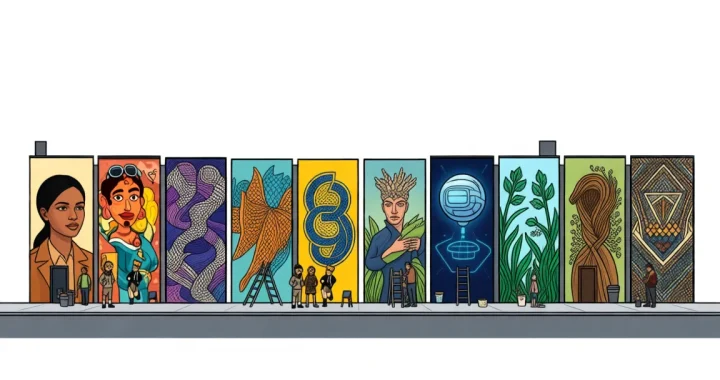
You spot most of these pieces while walking city blocks or following a river path. Each one started as a response to a local need or event. Here is a direct rundown of ten well-known urban murals, with the plain facts on where they sit and what prompted them.

The Murals

1. The Great Wall of Los Angeles

This 2,700-foot stretch runs along the LA River in the San Fernando Valley. Judy Baca and a crew of students and artists painted it in sections from 1976 onward. The panels track California history from pre-colonial times through the 1950s, with scenes of indigenous life, labor strikes, and Japanese American internment.

2. Tuttomondo

Keith Haring finished the 33-foot wall on the side of Sant’Antonio Abate church in Pisa, Italy, in 1989. It holds 30 interlocking human figures in bright colors. Haring chose the site during a visit and completed the work in a week with local help.

3. Berlin Wall East Side Gallery

After the Wall fell, artists painted 105 sections along Mühlenstrasse in 1990. Dmitri Vrubel’s “My God, Help Me to Survive This Deadly Love” shows the famous kiss between leaders. The paintings mark the shift from division to open street art space.

4. The Wynwood Walls

Developer Tony Goldman invited artists to paint warehouse exteriors in Miami’s Wynwood district starting in 2009. Early pieces include large works by Shepard Fairey and Os Gemeos. The project turned empty blocks into an open-air collection that still adds new walls each year.

5. The Detroit Industry Murals

Diego Rivera painted the 27 panels inside the Detroit Institute of Arts in 1932-1933. They show auto workers on assembly lines alongside images of science and nature. Local auto executives funded the work during the Depression.

6. The Philadelphia Mural Arts Program

Jane Golden began the program in 1984 to steer graffiti writers toward permitted walls. One early example is “The Pride of Philadelphia” on Broad Street, which shows local figures in community scenes. The program has produced over 4,000 walls since then.

7. The Belfast Peace Walls Murals

Artists painted images on the concrete barriers in west Belfast starting in the late 1990s. Many depict children reaching across divides or historical events tied to the Troubles. Local groups still maintain and update sections.

8. The Mission District Murals

Balmy Alley in San Francisco holds dozens of works begun in the 1970s by Latino artists. “The Truth About War” by Susan Greene covers a garage door with scenes from Central American conflicts. Residents added new pieces after local housing protests in the 1980s.

9. The John Lennon Wall

Prague students began writing on a wall near the French embassy in 1980 after Lennon’s death. The layer of lyrics, flowers, and drawings grew through the 1980s as a quiet protest site. The city cleans and repaints parts but keeps the tradition going.

10. The Auckland Street Art Walls

Artists painted large works on warehouses along Karangahape Road in the 2010s. Askew One’s portraits and floral pieces reference Maori patterns and city life. Local councils later set aside more legal walls after earlier crackdowns on tagging.

  • Check opening hours if a mural sits on private property.
  • Take photos early in the day to avoid crowds and harsh light.
  • Look for small plaques or apps that map exact addresses before you head out.

Urban Farming: How City Dwellers Are Growing Their Own Food

Urban Farming: How City Dwellers Are Growing Their Own Food

You can grow real food in the city without a yard. Start with whatever space you already have, a sunny windowsill or a fire escape, and build from there.

Pick your spot and get the basics in place

Look for at least six hours of direct sun. Measure your balcony or roof deck first so you know how many containers will fit. I usually begin with five-gallon buckets from a hardware store because they drain well and cost little.

  1. Drill four holes in the bottom of each bucket for drainage.
  2. Fill with a mix of potting soil and compost; skip garden soil because it compacts too fast in containers.
  3. Set the buckets on saucers or old trays to catch runoff and protect the surface below.

If wind is strong where you live, tie the buckets to a railing with zip ties. That single step has saved more than one tomato plant on my own roof.

Choose crops that actually finish in small spaces

Skip plants that need long seasons or lots of root room. Focus on quick winners that tolerate containers and city air.

  • Leafy greens such as arugula and looseleaf lettuce: ready in 30 days, harvest outer leaves only.
  • Herbs like basil and thyme: keep picking and they keep growing, even in partial shade.
  • Cherry tomatoes in a five-gallon bucket with a single cage: one plant can give you snacks for two months.
  • Radishes and baby carrots: pull them young so the roots never run out of room.

Track what works on your own block. My neighbor two floors down gets better peppers than I do because her wall reflects extra heat.

Water, feed, and handle problems without daily drama

Issue Quick fix Example
Soil dries out fast Water in early morning; add a thin mulch layer Used coffee grounds on top keep moisture in lettuce buckets
Aphids on herbs Blast with hose or spray diluted dish soap One treatment every few days clears a basil plant on a windowsill
Yellow leaves Check drainage first, then add diluted fish emulsion every two weeks Half-strength feed revived my roof tomatoes after heavy rain

Keep a small checklist on your phone: water, check for bugs, harvest what is ready. That rhythm takes ten minutes most days once the plants are established.