The Rise of Rooftop Culture: Bars, Gardens, and Views

The Rise of Rooftop Culture: Bars, Gardens, and Views

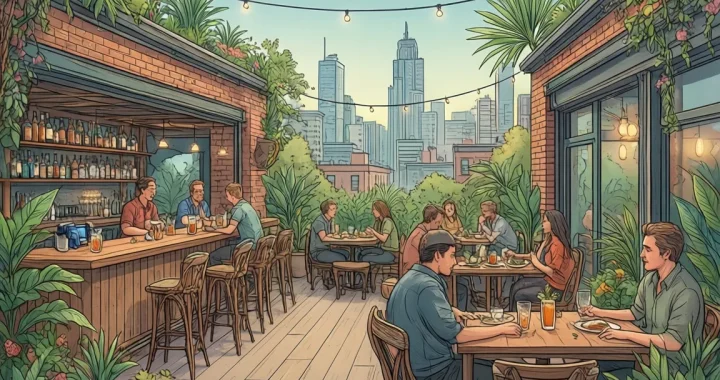
Rooftops have moved from occasional party spots to regular places for drinks, plants, and open air. Start by checking your city map for buildings over six stories with public access.

Pick a rooftop bar that fits your evening

Most good spots open around 4 pm on weekdays. Visit one attached to a hotel first. They usually keep steadier hours and simpler menus.

  • Try a converted warehouse roof on a Tuesday when the crowd stays small.
  • Skip Friday nights at hotel bars if you want space to talk.
  • Order a house cocktail and ask the bartender which nights draw locals instead of tourists.

Add plants without a full build

Many rooftops now keep raised beds or pots along the edges. You can copy the same idea on a smaller scale.

  1. Choose herbs and leafy greens that handle wind.
  2. Use 5-gallon buckets with drainage holes.
  3. Water in the morning so the surface dries before evening use.

One owner I know keeps basil and mint in the same containers because they both tolerate full sun and need little soil depth.

Time your visit for clear views

Time of day What you usually see Best for
30 minutes before sunset Soft light on buildings Photos and relaxed drinks
After dark City lights and fewer people Quiet conversation
Early morning Empty space and cooler air Reading or coffee

Check a weather app the same morning. High wind or low clouds cancel most of the view reward.

Make rooftop time part of your week

Bring a small blanket and one low chair if the venue allows personal items. Keep a short list on your phone of three rooftops within a 20-minute walk or transit ride. Rotate through them once every couple of weeks so each visit stays fresh instead of routine.
Minimalist Urban Photography: Tips for Clean, Impactful Shots

Minimalist Urban Photography: Tips for Clean, Impactful Shots

Start with one subject and a lot of empty space around it. That single choice turns crowded streets into clean frames. Walk at dawn when delivery trucks have not yet filled the sidewalks.

Pick and Frame One Thing

Look for a single object that stands out because nothing else competes with it. A red mailbox on a gray wall works. A metal grate casting a sharp shadow at noon works too.

  • Stand so the subject sits in the lower third and the rest of the frame stays blank wall or sky.
  • Move your feet instead of zooming. Three steps left often removes a sign or parked car from the edge.
  • Check the corners. If anything pulls the eye away, shift until it disappears.

Use these quick checks before you press the shutter:

  1. Is there only one clear subject?
  2. Does the background stay quiet for at least two thirds of the frame?
  3. Is the light even or does it create one strong shape?

Try this on a weekday morning: the lone bike locked to a pole outside an office building with nothing else in view. Or the black fire escape ladder against a pale concrete wall at the end of an alley. Both need almost no editing once the frame is right.

Common clutter Fix
Multiple signs Step closer until only the one you want remains.
Passing people Wait thirty seconds or change angle to hide the sidewalk.
Bright colors fighting Shoot the same spot in shade or on an overcast day.

City Soundscapes: How Noise Shapes Our Urban Experience

City Soundscapes: How Noise Shapes Our Urban Experience

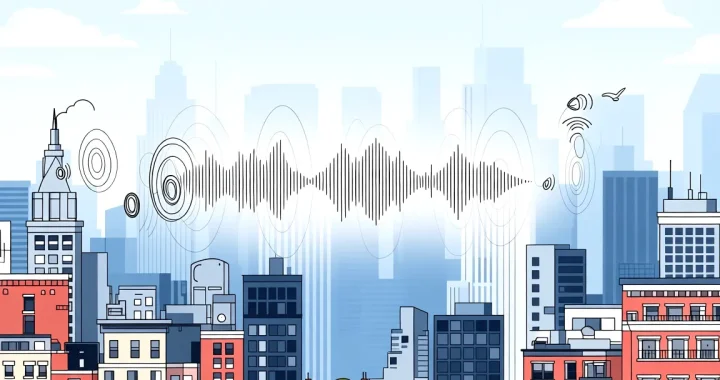
City soundscapes come from traffic, voices, machines, and weather. They change how you move, rest, and connect with the streets. You can read them quickly once you pay attention to a few patterns.

Start by noting what you actually hear

Walk one block you know well. Pause for two minutes and list the dominant sounds in order of loudness. Most people miss the layer just beneath the obvious roar.

  • Constant low rumble from buses on 14th Street in Manhattan
  • Sharp metal clangs from a nearby construction site at 8 a.m.
  • Overlapping conversations outside a coffee shop on a Saturday morning

Do this at the same spot three different times of day. The shift between 7 a.m. and 10 p.m. shows how the same block supports different activities.

Noise changes what you get done

Sound levels alter focus and mood in measurable ways. A study of open-plan offices found workers near constant HVAC noise took 15 percent longer on simple tasks than those in quieter zones. The same pattern appears on sidewalks next to elevated trains.

Sound example Common effect Real situation
Steady traffic drone Shortens attention span Reading email on a bench beside a six-lane road
Intermittent jackhammers Raises stress markers Walking past a week-long sidewalk replacement
Distant church bells or fountain Lowers heart rate slightly Crossing a small plaza after leaving a busy avenue

You can test this yourself. Note your mood before and after a ten-minute walk along a loud route versus a quieter parallel street.

Adjust your route with sound in mind

Small changes in path reduce exposure without adding much time. Follow these steps on your next commute:

  1. Identify the noisiest segment on your usual route.
  2. Check a map for one parallel block or alley that avoids it.
  3. Walk that option once and compare how you feel at the end.
  4. If it works, make it the default for that time of day.

Residents near the L train in Chicago often cut through a park for the last three blocks. The detour adds four minutes but removes the train rumble that used to leave them tense before work. Track your own trials for a week and keep what lowers irritation.

Exploring the World’s Most Photogenic Public Markets

Exploring the World’s Most Photogenic Public Markets

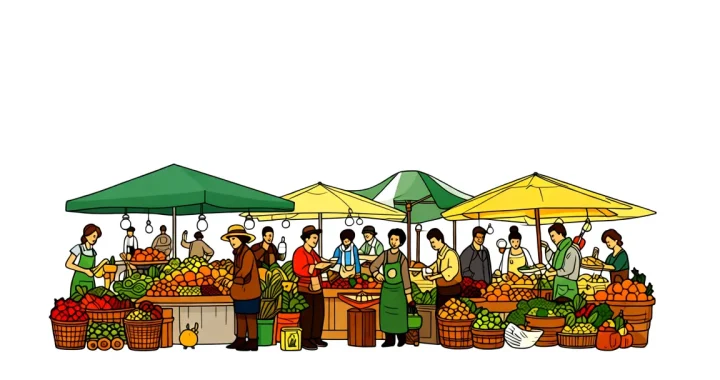
Start with these three spots if you want real color and motion in your frames. La Boqueria in Barcelona, Pike Place in Seattle, and the Spice Bazaar in Istanbul all give you tight quarters, bright produce, and steady foot traffic without needing special access.

Markets That Give You Strong Frames

La Boqueria opens at 7 a.m. most days. Stand near the fruit stalls on the left aisle and shoot downward for stacked color. Pike Place gets its fish-toss action going around 9 a.m. near the front window. The Spice Bazaar in Istanbul runs busiest between 10 and 11 a.m.; the narrow aisles create natural leading lines with hanging peppers and copper pots.

  • La Boqueria: tight overhead shots of berries and olives
  • Pike Place: side angles on the fish counter with motion blur
  • Spice Bazaar: backlit shots through the hanging spices at the east entrance

Quick Prep List

Item Why it helps
35 mm prime Works in crowded aisles without bumping people
Small shoulder bag Keeps both hands free on stairs and steps
Extra battery Markets stay open six to eight hours

Check the market’s opening hours the night before. Arrive thirty minutes early so you can walk the perimeter once without your camera before the crowds build.

Shooting While You Move

  1. Walk the full loop first without lifting the camera so vendors see you are not just snapping and leaving.
  2. Ask with eye contact and a short nod before framing a stall holder. Most nod back or wave you in.
  3. Hold the camera at waist height when the aisle gets narrow so you do not block foot traffic.
  4. Shoot in short bursts of three frames when someone lifts produce or pours spices.

Move on after two or three shots at any single stall. People relax once they see you keep walking.

Nightlife Unseen: Capturing the Energy of Cities After Dark

Nightlife Unseen: Capturing the Energy of Cities After Dark

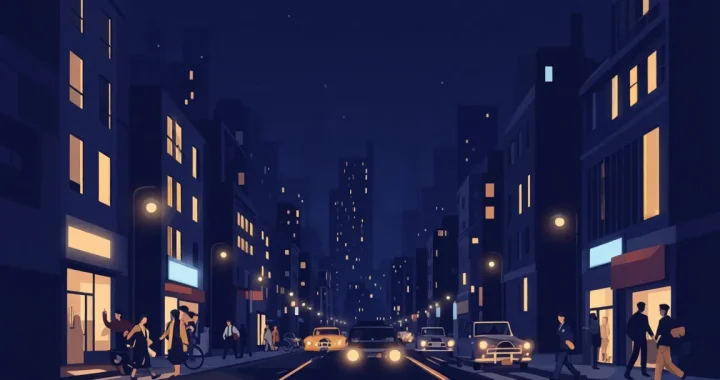
Start scouting locations while it’s still light so you can move fast once the streets fill with people and lights. This cuts wasted time and lets you focus on moments that only appear after dark.

Scout in daylight first

Walk the area in the afternoon and note spots with good sight lines and consistent foot traffic later. Check alleys behind bars in Chicago or the side streets off Shibuya Crossing. Mark one or two spots that stay busy past midnight.

  • Look for reflections on wet pavement or shop windows.
  • Find elevated spots like parking ramps for wider views without drawing attention.
  • Time your return for 10 p.m. or later when the regular crowd thins and the late shift appears.

Set your camera once and leave it

Keep changes minimal so you stay ready for quick shots. Use these starting points and adjust only when the light shifts hard.

  1. ISO 1600 to 3200 depending on how bright the signs are.
  2. Aperture f/2.8 or wider to let in light and blur backgrounds.
  3. Shutter 1/60 second handheld or 1/30 if you brace against a wall.
  4. White balance around 3200 K to keep neon from turning green.
  5. Shoot raw so you can fix color casts later without losing detail.

Test the settings on a quiet corner before the main action starts.

Watch for the small scenes that carry the energy

Skip the obvious wide shots of crowds. Instead catch single interactions that show how people use the city at night.

  • A delivery rider checking his phone under a flickering sign in Bangkok.
  • Two bartenders sharing a smoke in a back doorway in New Orleans.
  • Street cleaners sweeping up after last call in Madrid.

Stay in one spot for twenty minutes instead of walking the whole block. The same people loop back and you start to see patterns you would miss if you kept moving.