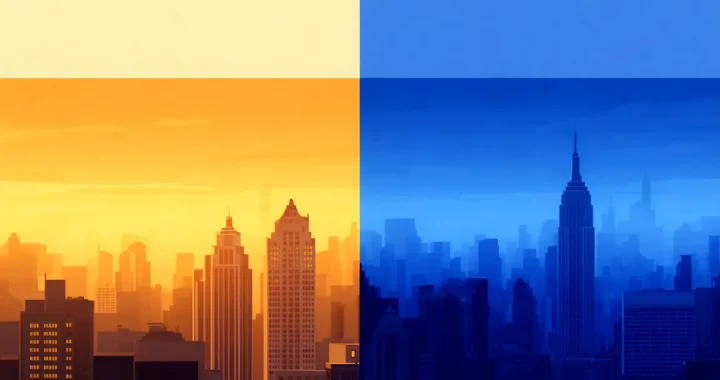
The Best Time of Day for City Photography: Golden Hour vs. Blue Hour
Golden hour and blue hour both deliver strong results for city photography, but they change the mood of your shots in clear ways. Golden hour gives you warm side light and long shadows. Blue hour gives you even cool light with glowing windows and street lamps. Pick based on the look you want before you head out.
Golden Hour in Practice
Golden hour starts about 30 minutes after sunrise and ends roughly an hour before sunset. In summer that window can feel short in places like New York, so check exact times for your date.
- Side light hits building edges and creates depth on brick or glass.
- Long shadows stretch across empty plazas early in the morning.
- Warm tones make older stone streets in Boston or Edinburgh look richer without extra filters.
Try the High Line at 6:30 a.m. in July. The east-facing benches catch direct light while the Hudson stays in shade.
Blue Hour in Practice
Blue hour runs from about 20 minutes after sunset until the sky turns fully dark, usually 30 to 40 minutes. Streetlights and office windows turn on, giving you balanced exposure between sky and city.
- Cool light makes neon signs and traffic trails stand out against the remaining sky glow.
- Reflections on wet pavement after rain become stronger in London or Chicago.
- Even light reduces harsh contrast on modern towers.
Walk the waterfront in Vancouver right after sunset. The sky stays deep blue while the Canada Place sails light up.
Planning Your Shoot
| Factor | Golden Hour | Blue Hour |
|---|---|---|
| Light direction | Low and directional | Soft and even |
| Color cast | Warm oranges | Cool blues |
| Best subjects | Architecture details, shadows | Light trails, reflections |
| Tripod needed | Sometimes | Usually |
- Check sunset or sunrise time for your city two days ahead.
- Arrive 15 minutes early to set up while light shifts.
- Shoot in raw so you can adjust white balance later if the color feels off.
- Bracket exposures when windows and sky differ too much.