How Cities Are Redesigning Public Spaces for Community Connection

How Cities Are Redesigning Public Spaces for Community Connection

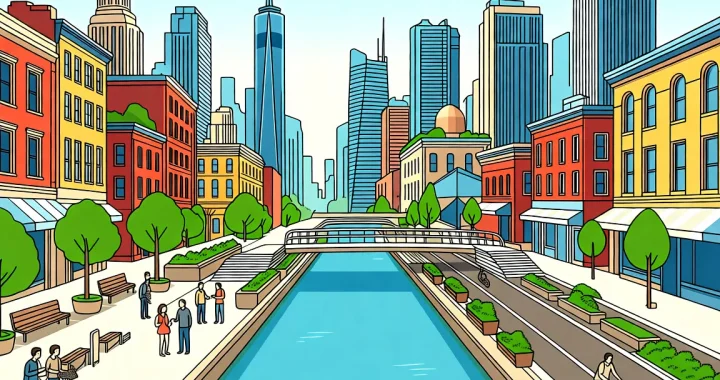
Cities have started turning leftover pavement and empty lots into places where people stop and talk. The focus stays on simple setups that fit daily routines rather than big monuments.

Pick spots that already have people walking by

Look for corners near bus stops, school routes, or small shops. These places already draw foot traffic, so new seating or shade brings quick use.

  • San Francisco added parklets in front of cafes on busy streets. Drivers park elsewhere and neighbors sit with coffee.
  • Detroit turned vacant lots next to corner stores into pocket gardens. Residents planted vegetables and swapped extras on weekends.

Add features that keep people around longer

Fixed benches, movable chairs, and basic lighting work better than fancy designs. Test one change at a time and watch what happens over a few weeks.

Feature Real example Effect seen
Low movable chairs Brooklyn plaza outside library Groups formed circles and stayed past sunset
Simple game tables Portland sidewalk chess boards Regular players returned same days each week
Overhead string lights Austin alley market Families ate dinner outside on weekdays

Run light programs that build habits

  1. Start with one weekly hour, like story time or a tool-share table.
  2. Ask two or three nearby residents to take turns leading it.
  3. Track counts of people who linger instead of just passing through.
  4. Adjust based on what draws the same faces back.

Portland ran a Friday evening bike-repair pop-up in a closed lane. Mechanics volunteered and neighbors brought their own bikes, which created repeat visits without extra budget.

10 Iconic Urban Murals and the Stories Behind Them

10 Iconic Urban Murals and the Stories Behind Them

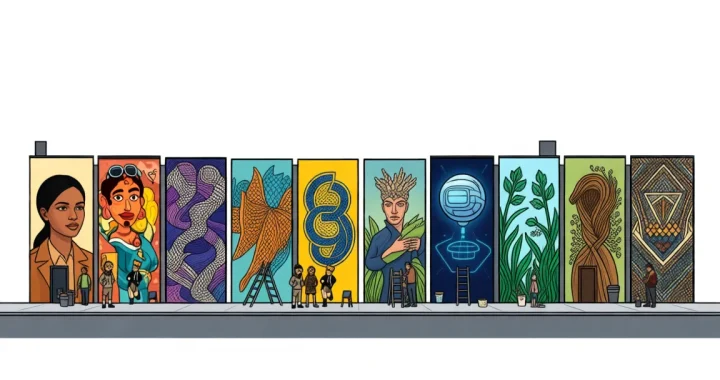
You spot most of these pieces while walking city blocks or following a river path. Each one started as a response to a local need or event. Here is a direct rundown of ten well-known urban murals, with the plain facts on where they sit and what prompted them.

The Murals

1. The Great Wall of Los Angeles

This 2,700-foot stretch runs along the LA River in the San Fernando Valley. Judy Baca and a crew of students and artists painted it in sections from 1976 onward. The panels track California history from pre-colonial times through the 1950s, with scenes of indigenous life, labor strikes, and Japanese American internment.

2. Tuttomondo

Keith Haring finished the 33-foot wall on the side of Sant’Antonio Abate church in Pisa, Italy, in 1989. It holds 30 interlocking human figures in bright colors. Haring chose the site during a visit and completed the work in a week with local help.

3. Berlin Wall East Side Gallery

After the Wall fell, artists painted 105 sections along Mühlenstrasse in 1990. Dmitri Vrubel’s “My God, Help Me to Survive This Deadly Love” shows the famous kiss between leaders. The paintings mark the shift from division to open street art space.

4. The Wynwood Walls

Developer Tony Goldman invited artists to paint warehouse exteriors in Miami’s Wynwood district starting in 2009. Early pieces include large works by Shepard Fairey and Os Gemeos. The project turned empty blocks into an open-air collection that still adds new walls each year.

5. The Detroit Industry Murals

Diego Rivera painted the 27 panels inside the Detroit Institute of Arts in 1932-1933. They show auto workers on assembly lines alongside images of science and nature. Local auto executives funded the work during the Depression.

6. The Philadelphia Mural Arts Program

Jane Golden began the program in 1984 to steer graffiti writers toward permitted walls. One early example is “The Pride of Philadelphia” on Broad Street, which shows local figures in community scenes. The program has produced over 4,000 walls since then.

7. The Belfast Peace Walls Murals

Artists painted images on the concrete barriers in west Belfast starting in the late 1990s. Many depict children reaching across divides or historical events tied to the Troubles. Local groups still maintain and update sections.

8. The Mission District Murals

Balmy Alley in San Francisco holds dozens of works begun in the 1970s by Latino artists. “The Truth About War” by Susan Greene covers a garage door with scenes from Central American conflicts. Residents added new pieces after local housing protests in the 1980s.

9. The John Lennon Wall

Prague students began writing on a wall near the French embassy in 1980 after Lennon’s death. The layer of lyrics, flowers, and drawings grew through the 1980s as a quiet protest site. The city cleans and repaints parts but keeps the tradition going.

10. The Auckland Street Art Walls

Artists painted large works on warehouses along Karangahape Road in the 2010s. Askew One’s portraits and floral pieces reference Maori patterns and city life. Local councils later set aside more legal walls after earlier crackdowns on tagging.

  • Check opening hours if a mural sits on private property.
  • Take photos early in the day to avoid crowds and harsh light.
  • Look for small plaques or apps that map exact addresses before you head out.
City Soundscapes: How Noise Shapes Our Urban Experience

City Soundscapes: How Noise Shapes Our Urban Experience

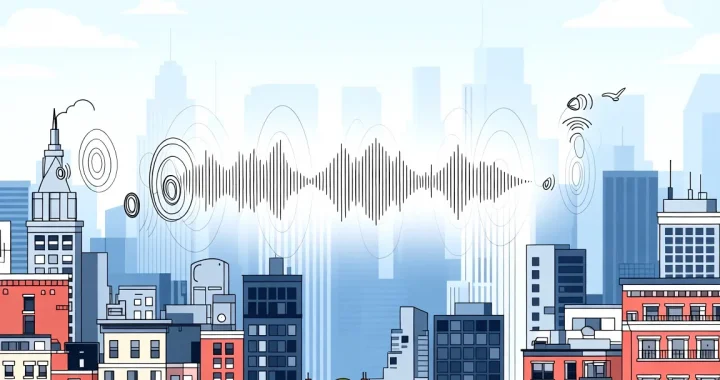
City soundscapes come from traffic, voices, machines, and weather. They change how you move, rest, and connect with the streets. You can read them quickly once you pay attention to a few patterns.

Start by noting what you actually hear

Walk one block you know well. Pause for two minutes and list the dominant sounds in order of loudness. Most people miss the layer just beneath the obvious roar.

  • Constant low rumble from buses on 14th Street in Manhattan
  • Sharp metal clangs from a nearby construction site at 8 a.m.
  • Overlapping conversations outside a coffee shop on a Saturday morning

Do this at the same spot three different times of day. The shift between 7 a.m. and 10 p.m. shows how the same block supports different activities.

Noise changes what you get done

Sound levels alter focus and mood in measurable ways. A study of open-plan offices found workers near constant HVAC noise took 15 percent longer on simple tasks than those in quieter zones. The same pattern appears on sidewalks next to elevated trains.

Sound example Common effect Real situation
Steady traffic drone Shortens attention span Reading email on a bench beside a six-lane road
Intermittent jackhammers Raises stress markers Walking past a week-long sidewalk replacement
Distant church bells or fountain Lowers heart rate slightly Crossing a small plaza after leaving a busy avenue

You can test this yourself. Note your mood before and after a ten-minute walk along a loud route versus a quieter parallel street.

Adjust your route with sound in mind

Small changes in path reduce exposure without adding much time. Follow these steps on your next commute:

  1. Identify the noisiest segment on your usual route.
  2. Check a map for one parallel block or alley that avoids it.
  3. Walk that option once and compare how you feel at the end.
  4. If it works, make it the default for that time of day.

Residents near the L train in Chicago often cut through a park for the last three blocks. The detour adds four minutes but removes the train rumble that used to leave them tense before work. Track your own trials for a week and keep what lowers irritation.

Nightlife Unseen: Capturing the Energy of Cities After Dark

Nightlife Unseen: Capturing the Energy of Cities After Dark

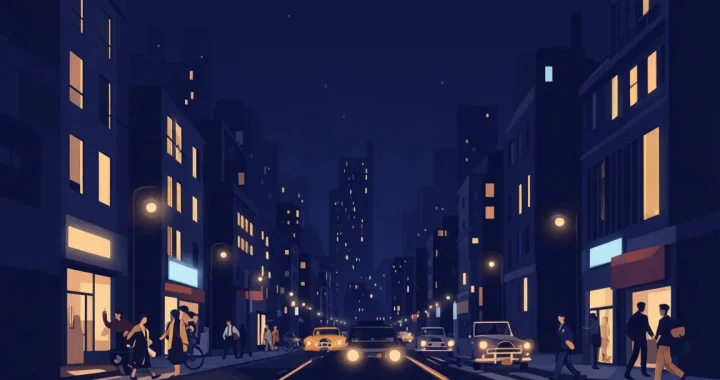
Start scouting locations while it’s still light so you can move fast once the streets fill with people and lights. This cuts wasted time and lets you focus on moments that only appear after dark.

Scout in daylight first

Walk the area in the afternoon and note spots with good sight lines and consistent foot traffic later. Check alleys behind bars in Chicago or the side streets off Shibuya Crossing. Mark one or two spots that stay busy past midnight.

  • Look for reflections on wet pavement or shop windows.
  • Find elevated spots like parking ramps for wider views without drawing attention.
  • Time your return for 10 p.m. or later when the regular crowd thins and the late shift appears.

Set your camera once and leave it

Keep changes minimal so you stay ready for quick shots. Use these starting points and adjust only when the light shifts hard.

  1. ISO 1600 to 3200 depending on how bright the signs are.
  2. Aperture f/2.8 or wider to let in light and blur backgrounds.
  3. Shutter 1/60 second handheld or 1/30 if you brace against a wall.
  4. White balance around 3200 K to keep neon from turning green.
  5. Shoot raw so you can fix color casts later without losing detail.

Test the settings on a quiet corner before the main action starts.

Watch for the small scenes that carry the energy

Skip the obvious wide shots of crowds. Instead catch single interactions that show how people use the city at night.

  • A delivery rider checking his phone under a flickering sign in Bangkok.
  • Two bartenders sharing a smoke in a back doorway in New Orleans.
  • Street cleaners sweeping up after last call in Madrid.

Stay in one spot for twenty minutes instead of walking the whole block. The same people loop back and you start to see patterns you would miss if you kept moving.