The Evolution of Graffiti: From Vandalism to Visual Culture

The Evolution of Graffiti: From Vandalism to Visual Culture

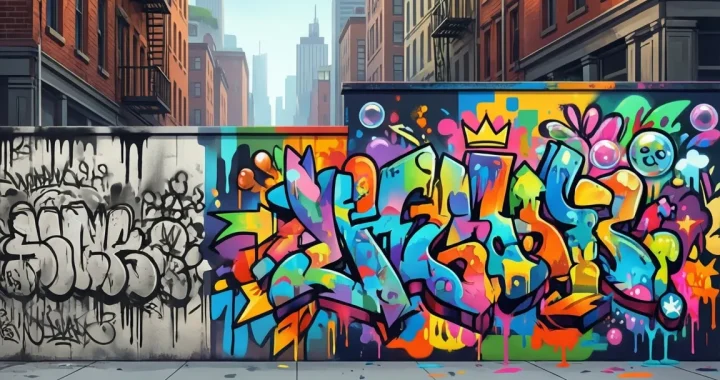
Graffiti moved from hurried tags on subway cars to pieces that hang in museums. You see the change in city walls, ads, and gallery shows. The shift happened through specific crews, laws, and new tools rather than any single moment.

New York subway years

In the early 1970s, writers like TAKI 183 covered train cars with marker tags. The goal was to get seen across boroughs before the train got cleaned. Paint stayed cheap and cans fit in backpacks.

  • Markers for quick hits on station walls
  • Thick caps for fat lines on the sides of cars
  • Whole-car pieces that ran for weeks until buffed

Police and the MTA fought back with fenced yards and new cleaning chemicals. Writers adapted by painting faster and hiding work in tunnels.

Street to studio shift

By the 1980s some writers sold canvases. Keith Haring turned subway drawings into gallery shows. Jean-Michel Basquiat moved from SAMO tags to SoHo exhibitions. Galleries paid cash that walls never did.

Today you can walk into a legal wall in Berlin or Melbourne and paint without arrest. Cities run permit programs that list approved blocks and supply free paint on certain weekends. Check the local arts office site before you pack a bag.

Current tools and reach

Smartphones record every layer. An artist in São Paulo can post a wall at noon and see comments from Oslo by dinner. Brands now hire the same writers for campaigns that once chased them with fines.

Old method New method
Black book sketches Tablet apps with layers
Train yards at 3 a.m. Commissioned building sides
Word of mouth crews Instagram location tags

Some cities still treat unsanctioned tags as damage. Others treat the same mark as tourism draw. The line keeps moving with each new wall and each new law.
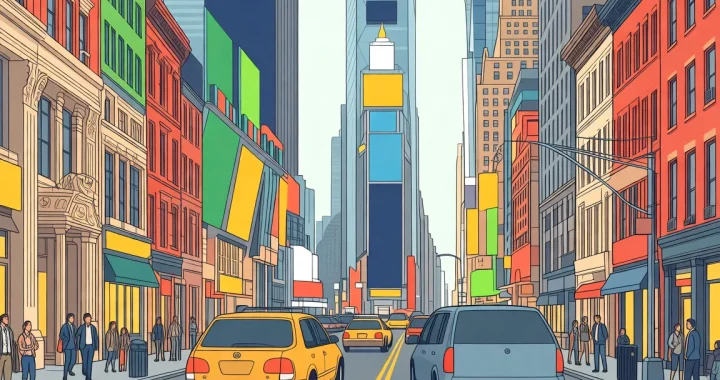
A Day in the Life of a City: Photo Essay Series Launch

A Day in the Life of a City: Photo Essay Series Launch

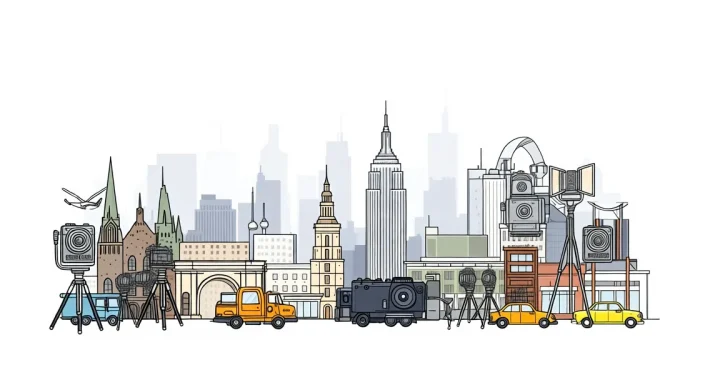
You can join this series by shooting one full day in your city and sending in 8 to 12 photos. The goal is simple: show how ordinary hours look where you live.

Pick your day and route

Choose a weekday that matches your normal schedule. Block out the full 24 hours on your calendar so you do not skip key times.

  • Start at home before sunrise, like 6:15 a.m. on a Tuesday.
  • Walk your usual commute instead of driving so you catch street details.
  • End back at home after dark to close the loop.

Shoot the sequence

Take one photo every 60 to 90 minutes. Keep the camera at eye level most of the time so the viewer feels like they are walking with you.

Time slot Example shot
7:00 a.m. Toast on the kitchen counter with the city skyline through the window
12:30 p.m. Line at the food truck near your office
8:45 p.m. Empty bus seat on the ride home

Write the exact time and location in your phone notes right after each shot. That note becomes your caption later.

Send your set

  1. Pick your 10 strongest images and rename the files with time stamps first (07-15-coffee.jpg).
  2. Write a one-sentence caption for each photo that states only what is happening.
  3. Email the folder to the series address with the subject line “City Day: [Your City] [Date]”.

Expect the first batch to go live two weeks after the launch date. Check the site each Monday for new essays.

The Art of People Watching: What Street Portraits Reveal About City Life

The Art of People Watching: What Street Portraits Reveal About City Life

Find a bench near a busy intersection or stand by a market entrance. Watch faces, bags, and footsteps for ten minutes. Street portraits turn those moments into records of how people actually move through a city.

Choose a Spot That Shows Routine Movement

Start where daily flows cross. A bus stop at 8 a.m. or the sidewalk outside a school at pickup time gives clear patterns fast.

  • Train station exit at rush hour: watch how commuters shift from straight-line walking to phone-checking pauses.
  • Corner cafe table at lunch: note the difference between solo workers typing and pairs leaning in to talk.
  • Market aisle on a weekday afternoon: see older shoppers moving slower while delivery riders weave past.

Read What Clothes and Objects Say

Look past faces. A messenger bag worn across the chest instead of on one shoulder tells you the person expects quick turns. Bright running shoes on someone in office clothes suggest they walked from farther away than the subway stop.

Keep a small notebook or phone note open. Jot three details every five minutes: bag type, pace, and whether they glance at others. After two sessions the notes start to cluster into real city habits.

Track Changes Across Repeated Visits

  1. Visit the same corner three times in one week at the same hour.
  2. Photograph or sketch the same stretch of pavement each time.
  3. Compare the shots later: count how many people carry coffee cups on Monday versus Friday.
  4. Note weather effects, like umbrellas changing group spacing.

These repeats show seasonal shifts and small economic signals without needing any extra equipment.

City Soundscapes: How Noise Shapes Our Urban Experience

City Soundscapes: How Noise Shapes Our Urban Experience

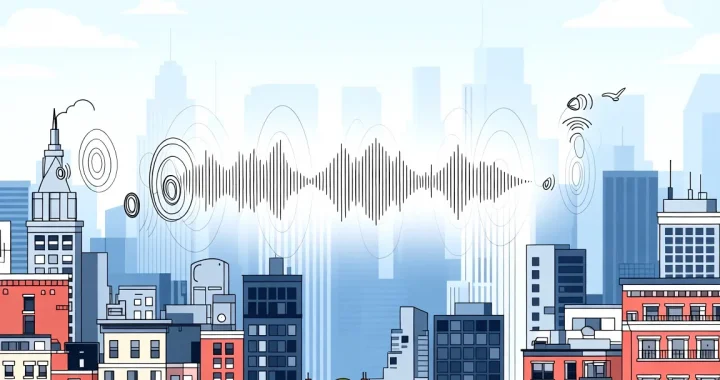
City soundscapes come from traffic, voices, machines, and weather. They change how you move, rest, and connect with the streets. You can read them quickly once you pay attention to a few patterns.

Start by noting what you actually hear

Walk one block you know well. Pause for two minutes and list the dominant sounds in order of loudness. Most people miss the layer just beneath the obvious roar.

  • Constant low rumble from buses on 14th Street in Manhattan
  • Sharp metal clangs from a nearby construction site at 8 a.m.
  • Overlapping conversations outside a coffee shop on a Saturday morning

Do this at the same spot three different times of day. The shift between 7 a.m. and 10 p.m. shows how the same block supports different activities.

Noise changes what you get done

Sound levels alter focus and mood in measurable ways. A study of open-plan offices found workers near constant HVAC noise took 15 percent longer on simple tasks than those in quieter zones. The same pattern appears on sidewalks next to elevated trains.

Sound example Common effect Real situation
Steady traffic drone Shortens attention span Reading email on a bench beside a six-lane road
Intermittent jackhammers Raises stress markers Walking past a week-long sidewalk replacement
Distant church bells or fountain Lowers heart rate slightly Crossing a small plaza after leaving a busy avenue

You can test this yourself. Note your mood before and after a ten-minute walk along a loud route versus a quieter parallel street.

Adjust your route with sound in mind

Small changes in path reduce exposure without adding much time. Follow these steps on your next commute:

  1. Identify the noisiest segment on your usual route.
  2. Check a map for one parallel block or alley that avoids it.
  3. Walk that option once and compare how you feel at the end.
  4. If it works, make it the default for that time of day.

Residents near the L train in Chicago often cut through a park for the last three blocks. The detour adds four minutes but removes the train rumble that used to leave them tense before work. Track your own trials for a week and keep what lowers irritation.

Nightlife Unseen: Capturing the Energy of Cities After Dark

Nightlife Unseen: Capturing the Energy of Cities After Dark

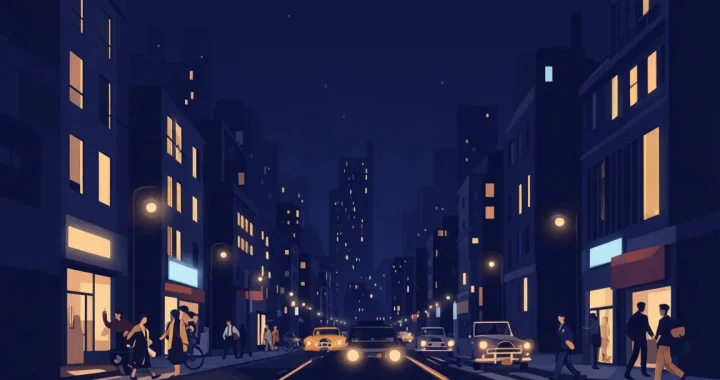
Start scouting locations while it’s still light so you can move fast once the streets fill with people and lights. This cuts wasted time and lets you focus on moments that only appear after dark.

Scout in daylight first

Walk the area in the afternoon and note spots with good sight lines and consistent foot traffic later. Check alleys behind bars in Chicago or the side streets off Shibuya Crossing. Mark one or two spots that stay busy past midnight.

  • Look for reflections on wet pavement or shop windows.
  • Find elevated spots like parking ramps for wider views without drawing attention.
  • Time your return for 10 p.m. or later when the regular crowd thins and the late shift appears.

Set your camera once and leave it

Keep changes minimal so you stay ready for quick shots. Use these starting points and adjust only when the light shifts hard.

  1. ISO 1600 to 3200 depending on how bright the signs are.
  2. Aperture f/2.8 or wider to let in light and blur backgrounds.
  3. Shutter 1/60 second handheld or 1/30 if you brace against a wall.
  4. White balance around 3200 K to keep neon from turning green.
  5. Shoot raw so you can fix color casts later without losing detail.

Test the settings on a quiet corner before the main action starts.

Watch for the small scenes that carry the energy

Skip the obvious wide shots of crowds. Instead catch single interactions that show how people use the city at night.

  • A delivery rider checking his phone under a flickering sign in Bangkok.
  • Two bartenders sharing a smoke in a back doorway in New Orleans.
  • Street cleaners sweeping up after last call in Madrid.

Stay in one spot for twenty minutes instead of walking the whole block. The same people loop back and you start to see patterns you would miss if you kept moving.