The Best Time of Day for City Photography: Golden Hour vs. Blue Hour

The Best Time of Day for City Photography: Golden Hour vs. Blue Hour

Golden hour and blue hour both deliver strong results for city photography, but they change the mood of your shots in clear ways. Golden hour gives you warm side light and long shadows. Blue hour gives you even cool light with glowing windows and street lamps. Pick based on the look you want before you head out.

Golden Hour in Practice

Golden hour starts about 30 minutes after sunrise and ends roughly an hour before sunset. In summer that window can feel short in places like New York, so check exact times for your date.

  • Side light hits building edges and creates depth on brick or glass.
  • Long shadows stretch across empty plazas early in the morning.
  • Warm tones make older stone streets in Boston or Edinburgh look richer without extra filters.

Try the High Line at 6:30 a.m. in July. The east-facing benches catch direct light while the Hudson stays in shade.

Blue Hour in Practice

Blue hour runs from about 20 minutes after sunset until the sky turns fully dark, usually 30 to 40 minutes. Streetlights and office windows turn on, giving you balanced exposure between sky and city.

  • Cool light makes neon signs and traffic trails stand out against the remaining sky glow.
  • Reflections on wet pavement after rain become stronger in London or Chicago.
  • Even light reduces harsh contrast on modern towers.

Walk the waterfront in Vancouver right after sunset. The sky stays deep blue while the Canada Place sails light up.

Planning Your Shoot

Factor Golden Hour Blue Hour
Light direction Low and directional Soft and even
Color cast Warm oranges Cool blues
Best subjects Architecture details, shadows Light trails, reflections
Tripod needed Sometimes Usually
  1. Check sunset or sunrise time for your city two days ahead.
  2. Arrive 15 minutes early to set up while light shifts.
  3. Shoot in raw so you can adjust white balance later if the color feels off.
  4. Bracket exposures when windows and sky differ too much.

How Cities Are Redesigning Public Spaces for Community Connection

How Cities Are Redesigning Public Spaces for Community Connection

Cities have started turning leftover pavement and empty lots into places where people stop and talk. The focus stays on simple setups that fit daily routines rather than big monuments.

Pick spots that already have people walking by

Look for corners near bus stops, school routes, or small shops. These places already draw foot traffic, so new seating or shade brings quick use.

  • San Francisco added parklets in front of cafes on busy streets. Drivers park elsewhere and neighbors sit with coffee.
  • Detroit turned vacant lots next to corner stores into pocket gardens. Residents planted vegetables and swapped extras on weekends.

Add features that keep people around longer

Fixed benches, movable chairs, and basic lighting work better than fancy designs. Test one change at a time and watch what happens over a few weeks.

Feature Real example Effect seen
Low movable chairs Brooklyn plaza outside library Groups formed circles and stayed past sunset
Simple game tables Portland sidewalk chess boards Regular players returned same days each week
Overhead string lights Austin alley market Families ate dinner outside on weekdays

Run light programs that build habits

  1. Start with one weekly hour, like story time or a tool-share table.
  2. Ask two or three nearby residents to take turns leading it.
  3. Track counts of people who linger instead of just passing through.
  4. Adjust based on what draws the same faces back.

Portland ran a Friday evening bike-repair pop-up in a closed lane. Mechanics volunteered and neighbors brought their own bikes, which created repeat visits without extra budget.

The Art of People Watching: What Street Portraits Reveal About City Life

The Art of People Watching: What Street Portraits Reveal About City Life

Find a bench near a busy intersection or stand by a market entrance. Watch faces, bags, and footsteps for ten minutes. Street portraits turn those moments into records of how people actually move through a city.

Choose a Spot That Shows Routine Movement

Start where daily flows cross. A bus stop at 8 a.m. or the sidewalk outside a school at pickup time gives clear patterns fast.

  • Train station exit at rush hour: watch how commuters shift from straight-line walking to phone-checking pauses.
  • Corner cafe table at lunch: note the difference between solo workers typing and pairs leaning in to talk.
  • Market aisle on a weekday afternoon: see older shoppers moving slower while delivery riders weave past.

Read What Clothes and Objects Say

Look past faces. A messenger bag worn across the chest instead of on one shoulder tells you the person expects quick turns. Bright running shoes on someone in office clothes suggest they walked from farther away than the subway stop.

Keep a small notebook or phone note open. Jot three details every five minutes: bag type, pace, and whether they glance at others. After two sessions the notes start to cluster into real city habits.

Track Changes Across Repeated Visits

  1. Visit the same corner three times in one week at the same hour.
  2. Photograph or sketch the same stretch of pavement each time.
  3. Compare the shots later: count how many people carry coffee cups on Monday versus Friday.
  4. Note weather effects, like umbrellas changing group spacing.

These repeats show seasonal shifts and small economic signals without needing any extra equipment.

Exploring the World’s Most Photogenic Public Markets

Exploring the World’s Most Photogenic Public Markets

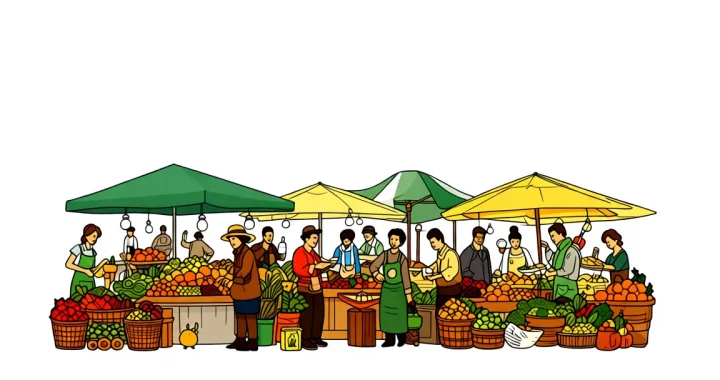
Start with these three spots if you want real color and motion in your frames. La Boqueria in Barcelona, Pike Place in Seattle, and the Spice Bazaar in Istanbul all give you tight quarters, bright produce, and steady foot traffic without needing special access.

Markets That Give You Strong Frames

La Boqueria opens at 7 a.m. most days. Stand near the fruit stalls on the left aisle and shoot downward for stacked color. Pike Place gets its fish-toss action going around 9 a.m. near the front window. The Spice Bazaar in Istanbul runs busiest between 10 and 11 a.m.; the narrow aisles create natural leading lines with hanging peppers and copper pots.

  • La Boqueria: tight overhead shots of berries and olives
  • Pike Place: side angles on the fish counter with motion blur
  • Spice Bazaar: backlit shots through the hanging spices at the east entrance

Quick Prep List

Item Why it helps
35 mm prime Works in crowded aisles without bumping people
Small shoulder bag Keeps both hands free on stairs and steps
Extra battery Markets stay open six to eight hours

Check the market’s opening hours the night before. Arrive thirty minutes early so you can walk the perimeter once without your camera before the crowds build.

Shooting While You Move

  1. Walk the full loop first without lifting the camera so vendors see you are not just snapping and leaving.
  2. Ask with eye contact and a short nod before framing a stall holder. Most nod back or wave you in.
  3. Hold the camera at waist height when the aisle gets narrow so you do not block foot traffic.
  4. Shoot in short bursts of three frames when someone lifts produce or pours spices.

Move on after two or three shots at any single stall. People relax once they see you keep walking.